The use of a church candle transcends simple illumination, serving as a profound symbol of faith, hope, and spiritual continuity across diverse cultures. In the realm of liturgical supplies, these specialized candles are engineered to meet rigorous standards of burn time and stability, ensuring that the sanctity of a religious service is never interrupted by technical failure. Understanding the nuance between different waxes and wick types is essential for those managing sanctuary environments.
Globally, the demand for high-quality liturgical lighting remains steadfast, as traditional ceremonies integrate timeless symbols with modern safety requirements. From the grand cathedrals of Europe to small community chapels in Asia, the ritualistic lighting of a church candle acts as a visual prayer, creating an atmosphere of transcendence and peace that supports the psychological and emotional well-being of the congregation.
However, the industry faces a critical turning point as sustainability becomes a priority. The transition from traditional paraffin to biodegradable beeswax or soy blends represents a shift toward eco-conscious worship. By balancing the heritage of traditional candle-making with cutting-edge chemical engineering, manufacturers can provide a product that is not only aesthetically pleasing but also safe for indoor air quality and the planet.
The Global Significance of the Church Candle
Across the globe, the church candle serves as a universal language of devotion. In accordance with historical liturgical standards and modern ISO safety guidelines, these products are designed to provide a steady, flicker-free flame. This reliability is crucial for institutions that host thousands of visitors, where a single failing wick can disrupt the solemnity of a ritual.
The global market for these products is driven by a blend of tradition and a growing awareness of indoor air quality. As urban centers expand and environmental regulations tighten, the shift toward non-toxic, low-smoke alternatives has become a priority for religious administrators worldwide, ensuring that the act of lighting a candle remains a healthy practice for all.
Defining the Modern Church Candle
In simple terms, a church candle is a specialized lighting instrument designed for prolonged use within a sanctuary or chapel. Unlike decorative household candles, these are characterized by their structural integrity—often appearing as large pillars or slender tapers—and their ability to burn consistently over many hours without excessive dripping or tunneling.
From an industrial perspective, these candles are the intersection of chemistry and art. They require a precise balance of paraffin, beeswax, or stearin to ensure the melt point is high enough to resist drooping in warm cathedrals, yet low enough to maintain a vibrant flame. This technical precision allows them to fulfill their role in modern humanitarian and spiritual needs, providing comfort in times of crisis.
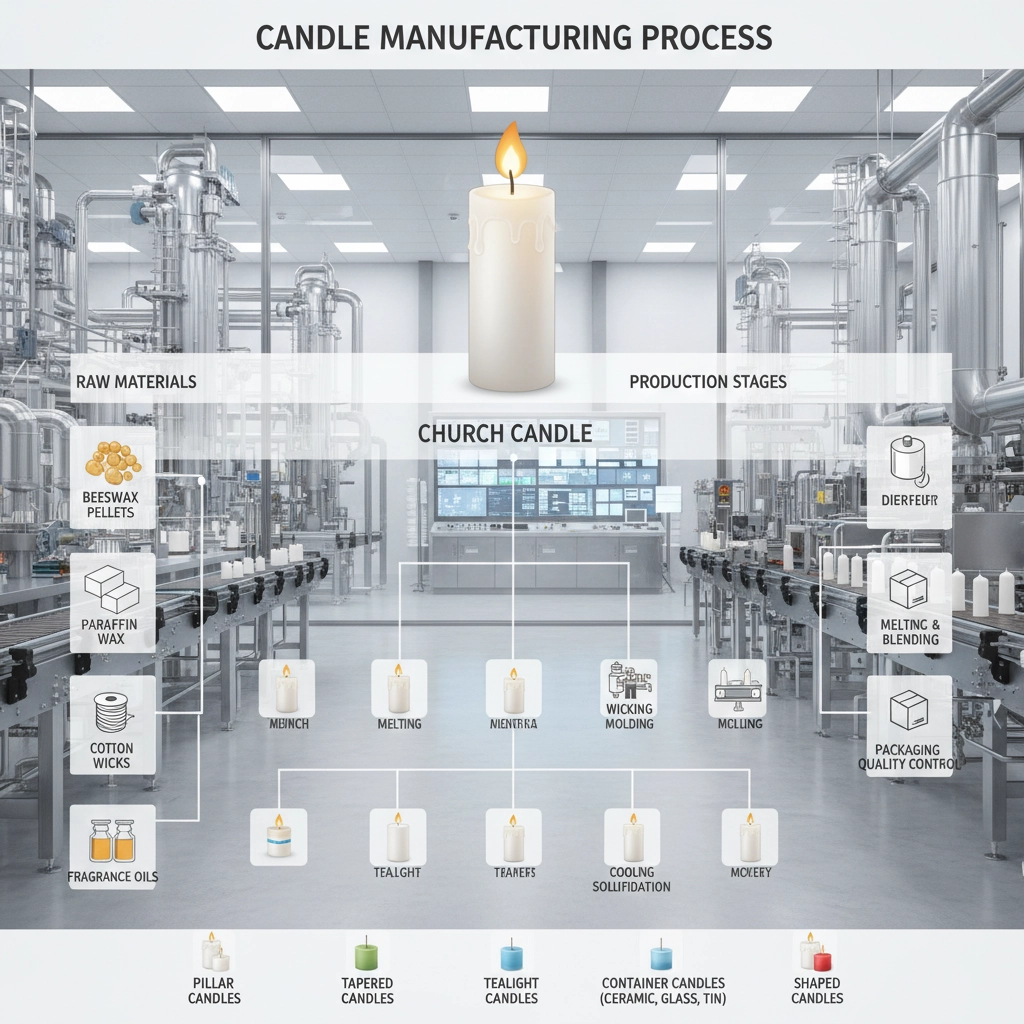
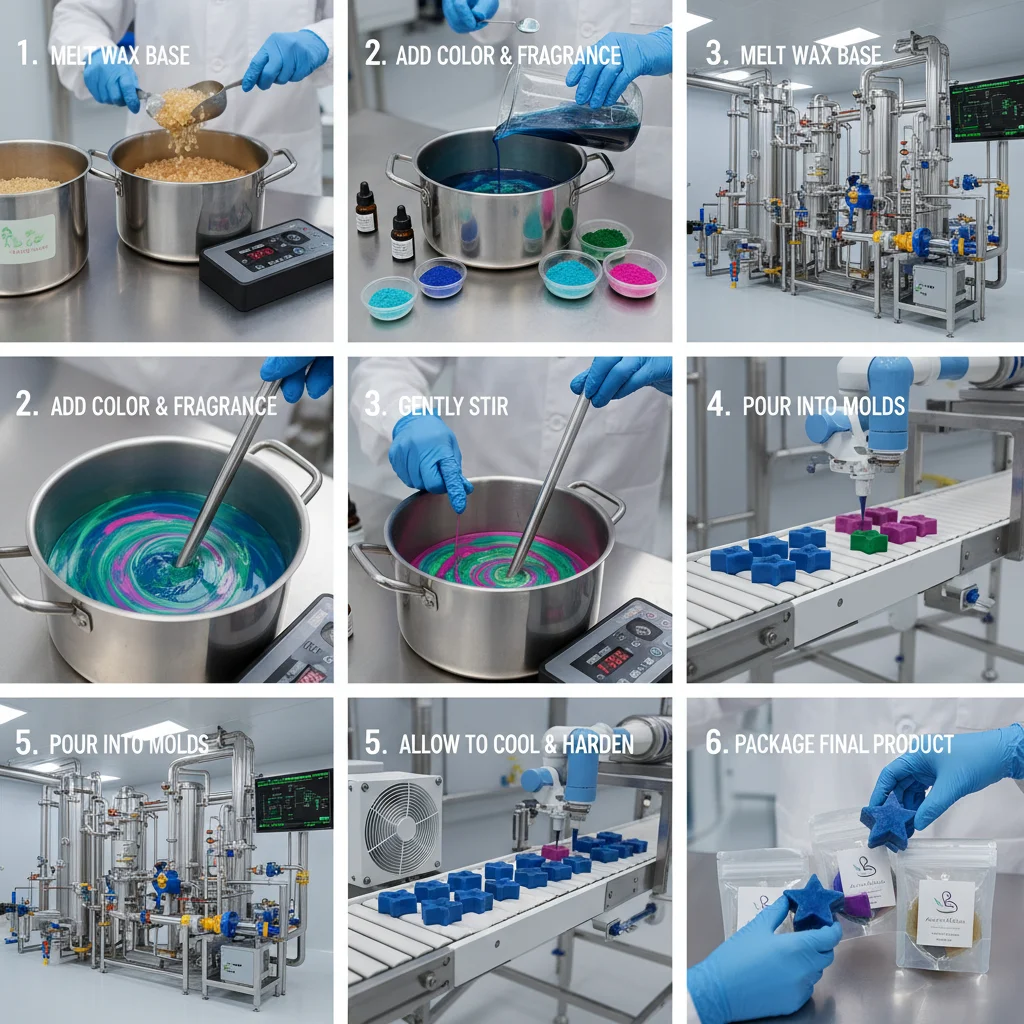
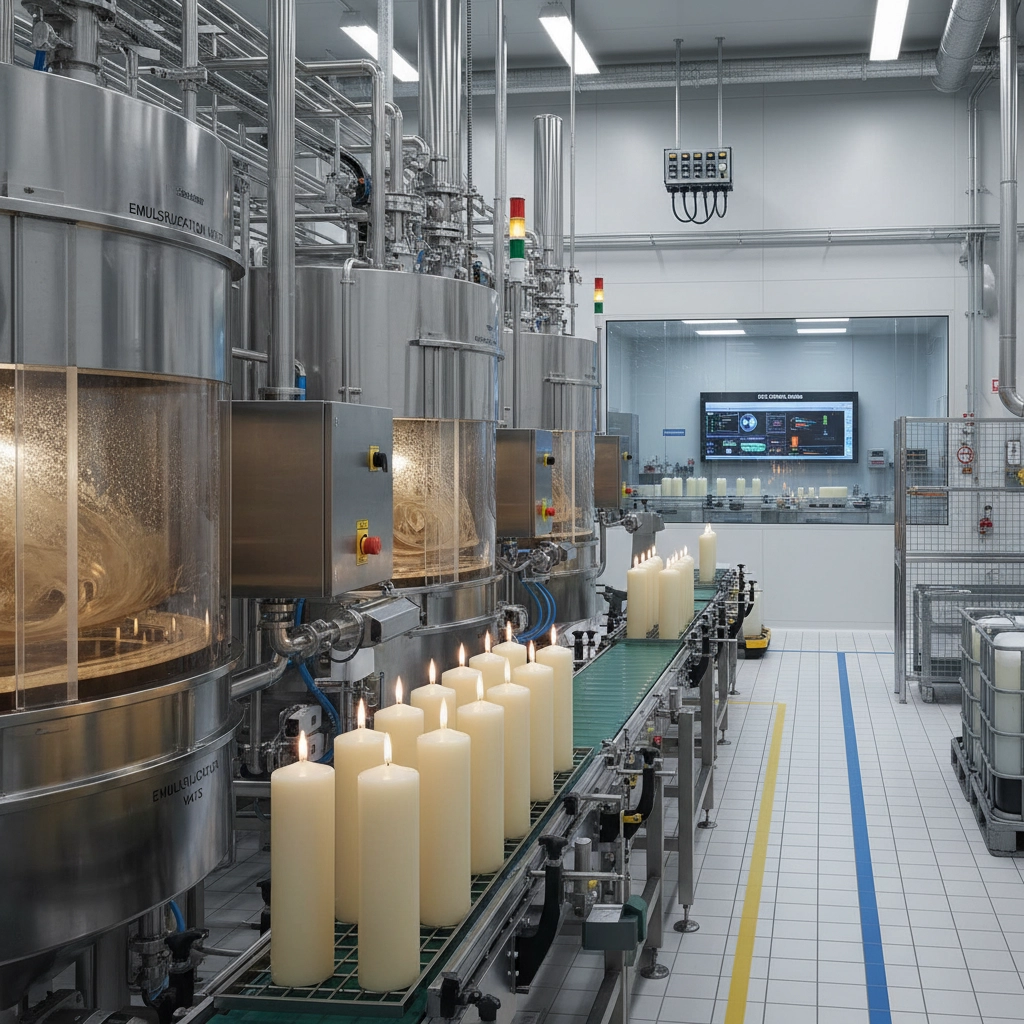
The connection to modern industry is evident in the adoption of automated molding and precision wick-centering technologies. This ensures that every single unit produced meets a strict specification, reducing waste and ensuring that the spiritual experience is not marred by uneven burning or soot deposits on historic ceilings.
Core Components of Quality Liturgical Candles
Durability is the primary benchmark for any professional church candle. A high-grade candle must resist deformation under varying temperatures and maintain a vertical posture throughout its lifespan. This is achieved through the careful selection of hard-wax blends that provide the necessary structural support.
The purity of the wax is equally critical. Using refined paraffin or pure beeswax ensures that the church candle produces minimal soot. This is not just an aesthetic preference but a preservation requirement for ancient artworks and architectural frescoes found in many historic houses of worship.
Finally, wick scalability ensures that regardless of the candle's diameter—whether it is a thin taper or a massive pillar—the flame remains stable. Braided cotton wicks, often treated with natural salts, prevent "mushrooming," which reduces the risk of sparks and ensures a clean, consistent light output.
Performance Metrics and Material Efficiency
Evaluating the efficacy of a church candle requires looking at the burn rate per hour and the smoke emission levels. High-efficiency candles utilize a specific chemical ratio to maximize the fuel (wax) usage while minimizing the carbon byproduct, allowing for a longer-lasting flame that costs less over the long term.
By analyzing different wax formulations, we can determine which materials provide the best balance of cost and performance. This data helps procurement officers in large religious organizations make informed decisions based on the specific climate and ventilation of their buildings.
Liturgical Wax Material Performance Comparison
Diverse Applications Across Religious Traditions
The practical application of the church candle varies significantly by tradition. In Catholic and Orthodox liturgies, large pillar candles are often used as centerpieces to represent the "Light of the World," requiring high structural stability to avoid leaning during long services. Meanwhile, votive candles are used for individual petitions, requiring a compact design and fast, clean burning.
Beyond traditional settings, these candles are increasingly utilized in interfaith meditation centers and during post-disaster relief operations. In areas where electricity is unavailable, the reliable light of a high-quality church candle provides more than just visibility; it provides a psychological anchor of dignity and hope for displaced populations.
Long-Term Value and Sustainable Impact
Investing in premium church candle solutions offers tangible economic benefits. While lower-grade paraffin candles may seem cheaper upfront, their faster burn rate and tendency to drip lead to higher replacement frequency and increased cleanup costs. High-density waxes extend the lifespan of each unit, reducing the total cost of ownership for the institution.
From a social and emotional angle, the use of sustainable materials like beeswax enhances the sensory experience. The natural honey-like aroma of beeswax provides a calming effect, fostering an environment of trust and serenity. This alignment of logic (cost-saving) and emotion (spiritual atmosphere) creates a compelling value proposition for modern religious organizations.
Furthermore, the transition toward biodegradable components minimizes the environmental footprint of the church. By reducing petroleum-based wax usage, religious communities lead by example in the global movement toward environmental stewardship, turning a simple ritual into a statement of ecological responsibility.
Future Innovations in Candle Manufacturing
The future of the church candle lies in the integration of green chemistry and automation. We are seeing a rise in the use of algae-based waxes and synthetic-free binders that offer the same rigidity as paraffin but are entirely compostable. These innovations ensure that spiritual traditions can evolve without compromising the health of the planet.
Digital transformation is also impacting the supply chain. Smart inventory systems now allow churches to automate their ordering process based on the liturgical calendar, ensuring they never run out of essential candles during peak seasons like Easter or Christmas, while reducing overstock and waste.
Additionally, advancements in wick technology, such as the use of recycled carbon fiber cores, are creating flames that are even more stable and smoke-free. This evolution ensures that the church candle remains a relevant and safe tool for spiritual expression in the 21st century.
Comparative Analysis of Future Candle Material Trends
| Material Type |
Eco-Sustainability |
Burn Stability |
Market Adoption |
| Pure Beeswax |
High |
Excellent |
Widespread |
| Soy Blend |
Very High |
Moderate |
Growing |
| Paraffin (Refined) |
Low |
High |
Dominant |
| Algae Wax |
Extreme |
Developing |
Emerging |
| Stearin Mix |
Moderate |
High |
Steady |
| Palm-Free Bio-Wax |
High |
Good |
Increasing |
FAQS
Professional liturgical candles are engineered for higher stability and longer burn times. They use specific wax blends (often including stearin) to prevent leaning or "tunneling" during extended use in large sanctuaries. Additionally, they are designed to minimize soot production to protect historic architecture, whereas standard household candles prioritize fragrance or aesthetics over structural longevity.
Beeswax is the gold standard for air quality and sustainability, offering a natural scent and a cleaner burn, though it is more expensive. Paraffin is highly cost-effective and provides a very bright flame, making it suitable for large-scale events. For the best balance, many institutions use a high-quality blend that maintains the rigidity of paraffin with the purity of natural waxes.
Excessive dripping is usually caused by drafts or the use of low-melt-point wax. To minimize this, place candles away from air conditioning vents and choose candles with a higher stearin content, which hardens the wax. Ensuring the wick is trimmed to 1/4 inch also helps maintain a steady, centered flame that consumes the wax more efficiently.
This depends on the tradition. While some prefer unscented candles to avoid distracting the congregation or clashing with incense, others use light, natural scents (like beeswax) to enhance the spiritual atmosphere. We recommend avoiding strong synthetic fragrances in closed spaces to ensure the comfort of those with respiratory sensitivities.
Importing requires checking local fire safety regulations and customs duties. We recommend working with manufacturers who provide ISO-certified products and detailed Material Safety Data Sheets (MSDS). Using sea freight for bulk pillar candles is most cost-effective, provided the packaging is temperature-controlled to prevent warping during transit.
Burn time varies by diameter and wax type. A standard 3-inch wide, 12-inch tall high-quality church candle can last between 60 to 100 hours. To maximize this, avoid extinguishing the candle and relighting it frequently; instead, allow it to burn consistently, as the initial heating phase consumes more wax.
Conclusion
The church candle remains an indispensable element of spiritual practice, bridging the gap between ancient tradition and modern industrial precision. By focusing on material purity, structural durability, and sustainable manufacturing, we can ensure that these beacons of faith continue to illuminate sanctuaries without compromising environmental health or architectural integrity.
As we move toward a greener future, the adoption of bio-waxes and automated supply chains will only enhance the accessibility and quality of liturgical lighting. We encourage religious administrators to prioritize long-term value over short-term cost, investing in products that honor both the sanctity of their space and the health of the planet. Visit our website for professional solutions: www.seawellcandle.com