Premium Natural Candles for a Healthier Home Environment
Premium Natural Candles for a Healthier Home Environment
Illuminate Your Space with Premium Natural Candles
Creating a serene atmosphere at home begins with the scents and light we surround ourselves with. In recent years, there has been a significant shift toward wellness and sustainability, leading many to discover the magic of natural candles. Unlike traditional paraffin options, natural alternatives offer a cleaner burn, healthier air quality, and a more authentic olfactory experience. Whether you are looking to unwind after a long day or elevate your interior design, understanding the benefits of botanical waxes is key. In this guide, we will explore why making the switch to eco-friendly lighting is one of the simplest yet most impactful changes you can make for your home and the planet.

The Health Benefits of Choosing Natural Candles
The primary advantage of using natural candles lies in their purity. Most commercial candles are made from paraffin, a byproduct of petroleum that can release soot and volatile organic compounds (VOCs) into your living space. In contrast, natural waxes—such as soy, beeswax, and coconut wax—are biodegradable and non-toxic. They provide a cleaner burn, which is especially beneficial for individuals with respiratory sensitivities or allergies. By eliminating synthetic dyes and phthalates, these candles ensure that the fragrance you enjoy comes from nature, not a chemistry lab, promoting a truly holistic wellness environment.
Wellness Tip: To maximize the health benefits, always pair your natural wax with a lead-free cotton or wooden wick to ensure no heavy metals are released during combustion.
Comparing Natural Candles vs. Paraffin Alternatives
When deciding which product to bring into your home, it is helpful to look at the technical differences in performance. Natural candles generally have a lower melting point, which allows them to release fragrance more evenly and last significantly longer than their petroleum-based counterparts. While paraffin candles often "tunnel" or produce black smoke, botanical waxes maintain a steady flame and a slower consumption rate, giving you more value for your investment while protecting your wall paint and furniture from soot deposits.
Sustainable Sourcing of Natural Candles
Sustainability is at the core of the natural candles movement. By utilizing renewable resources like soy beans or coconut oil, manufacturers reduce the reliance on fossil fuels. This not only lowers the carbon footprint of production but also supports agricultural communities. Furthermore, many natural candle brands emphasize plastic-free packaging and recyclable glass jars, ensuring that the product is eco-friendly from the moment it is harvested to the moment the candle is finished. Choosing these products is a vote for a greener planet and a more ethical supply chain.
How to Style Natural Candles in Your Home
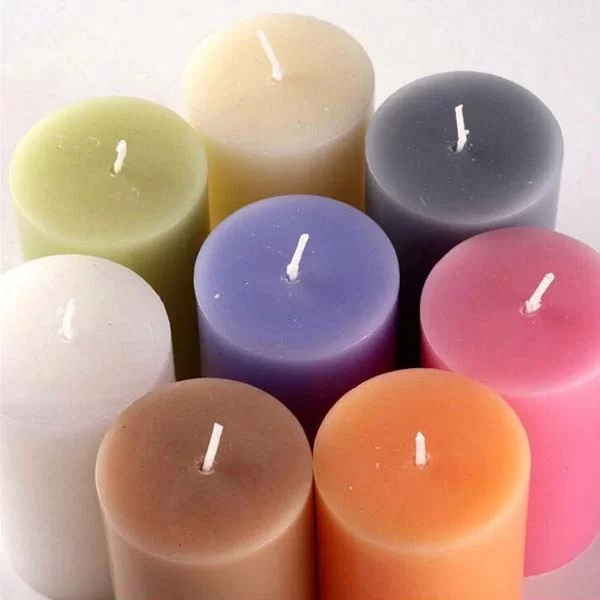
Beyond their scent and safety, natural candles serve as elegant decorative elements. To create a modern, minimalist look, place white soy candles in matte ceramic holders on a wooden coffee table. For a more rustic vibe, beeswax pillars paired with dried eucalyptus can transform a bathroom into a spa-like sanctuary. The soft, warm glow of natural wax complements a wide range of interior palettes, from Scandinavian whites to industrial greys. By strategically placing candles in corners or grouping them in odd numbers, you can add depth and warmth to any room.

Product Specifications for Natural Candles
When purchasing high-quality natural candles, it is important to check the specifications to ensure you are getting a premium product. The combination of wax type, fragrance load, and wick material determines the overall performance of the candle. Below is a standard specification table for our premium natural line, designed for optimal scent throw and a clean, steady burn.
Conclusion: Embrace a Healthier Glow
Switching to natural candles is more than just a home decor choice; it is a commitment to your health and the environment. By opting for plant-based waxes and pure essential oils, you can enjoy a luxurious fragrance without compromising the air quality of your home. From longer burn times to a lower ecological impact, the benefits are undeniable. Start your journey toward a more mindful and fragrant home today by choosing the purity of nature.
Frequently Asked Questions (FAQs)
Do natural candles actually last longer than paraffin ones?
Yes, in most cases, natural candles last significantly longer. This is primarily because natural waxes, such as soy and beeswax, have a lower melting point than paraffin. Because the wax melts more slowly, the candle burns at a lower temperature and consumes the fuel at a slower rate. For example, a high-quality soy candle can often provide 30% to 50% more burn time than a paraffin candle of the same size. This makes them a more cost-effective and sustainable choice for daily use in your home.
Why do some natural candles have a weaker scent?
It is a common misconception that natural candles are less fragrant. The difference lies in the type of scent used. Paraffin candles often use synthetic fragrances that are designed to be aggressive and "loud." Natural candles typically use pure essential oils, which provide a more subtle, sophisticated, and authentic aroma. While the "scent throw" may feel different, it is often more pleasant and less likely to cause headaches. To get the best scent, always trim your wick to 1/4 inch before lighting.
Are all "natural" candles eco-friendly?
Not necessarily. While the wax might be natural, you must also consider the wick, the fragrance, and the packaging. Some "natural" candles still use lead-core wicks or synthetic dyes. To ensure your purchase is truly eco-friendly, look for certifications or detailed ingredient lists. At Seawell Candle, we prioritize a fully transparent supply chain, using organic cotton wicks and biodegradable ingredients to ensure that every product supports environmental sustainability.
How do I stop my natural candle from tunneling?
Tunneling occurs when the wax doesn't melt all the way to the edges of the jar during the first burn. To prevent this, always allow the first burn to last long enough for the entire top layer of wax to melt into a liquid pool (usually 2-4 hours depending on the size). This creates a "memory" in the wax, ensuring that every subsequent light burns evenly across the diameter. If a tunnel has already formed, you can carefully wrap a piece of aluminum foil around the top of the jar to reflect heat inward and melt the remaining edges.