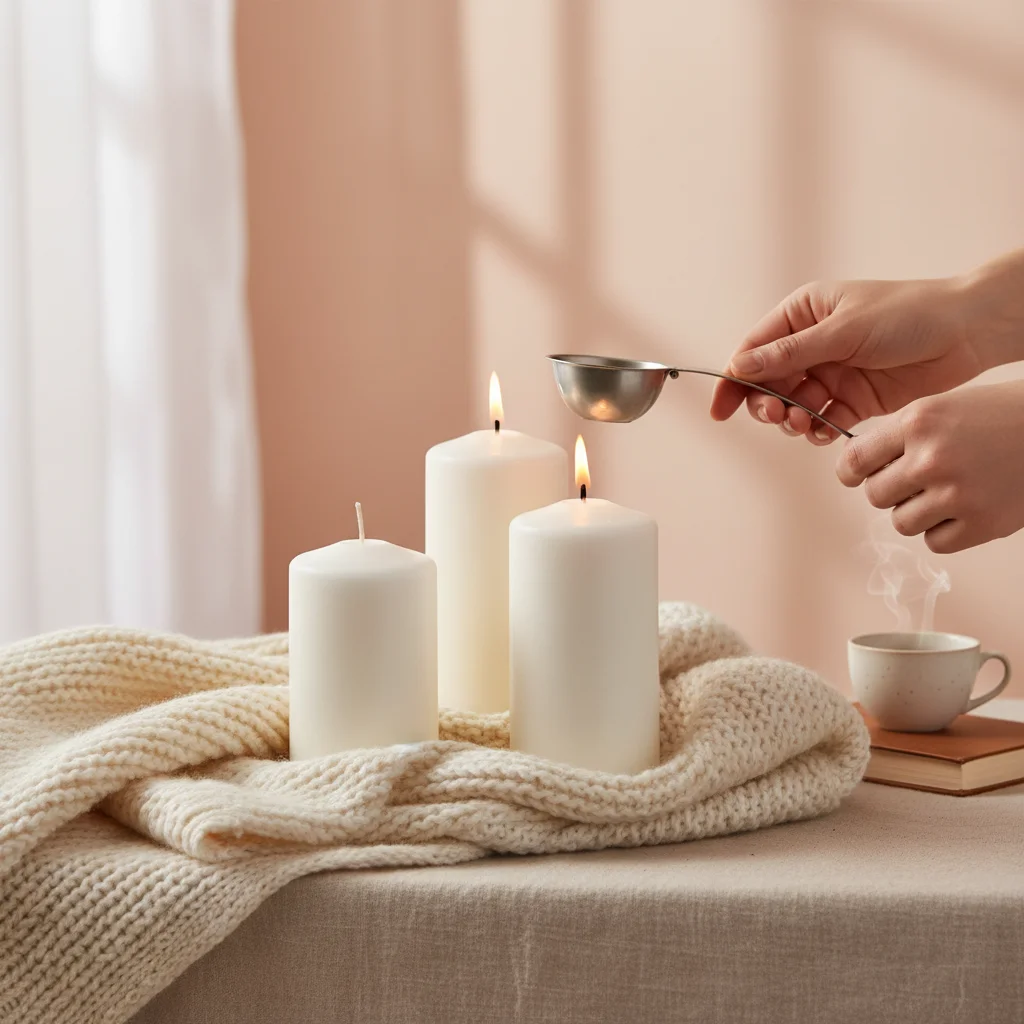
The art of creating handmade candles represents a timeless intersection of chemistry and creativity. In an era dominated by mass-produced industrial goods, the return to artisanal craftsmanship offers more than just a source of light; it provides a sensory experience that connects the user to the raw materials of nature. Whether it is the honeyed scent of beeswax or the clean burn of soy, these creations bring an unmatched warmth and intentionality to any living space.
Globally, the shift toward sustainable living has propelled the demand for artisan-made home fragrances. Consumers are increasingly wary of paraffin-based pollutants and are seeking transparent production methods. This transition has transformed a simple household necessity into a sophisticated lifestyle choice, where the provenance of the wax and the purity of the essential oils are paramount to the value proposition.
Understanding the nuances of handmade candles—from the precision of wick centering to the chemistry of scent throw—allows enthusiasts and commercial buyers alike to distinguish between a mere commodity and a piece of functional art. By focusing on quality over quantity, the artisanal approach ensures a cleaner burn, a longer lifespan, and a deeper emotional connection to the environment.

The Global Significance of Artisanal Candle Making
The global market for home fragrance has seen a significant pivot toward artisan-crafted products. According to industry trends reflecting ISO standards for quality management, there is a rising preference for products that prioritize biodegradable materials over synthetic polymers. This movement is not merely a trend but a systemic shift toward "slow living," where the process of creation is valued as much as the final product.
In many regions, handmade candles serve as a critical bridge between traditional cultural heritage and modern commerce. By utilizing local waxes and indigenous scents, artisans are able to preserve regional identities while tapping into a lucrative global export market that rewards authenticity and traceability.
Defining the Essence of Handmade Candles
At its core, the term handmade candles refers to the process of creating wax-based light sources through manual pouring, dipping, or molding, rather than high-speed automated assembly lines. This process allows for a level of precision in temperature control and fragrance blending that is often lost in industrial manufacturing. It is the difference between a standardized product and a curated experience.
Beyond the physical act of pouring wax, these candles embody a commitment to purity. While commercial candles may use stabilizers and petroleum-based additives to ensure a uniform look, handmade versions typically rely on the natural properties of the wax. This results in a product that is often safer for indoor air quality and more respectful of the environment.
In a modern industrial context, "handmade" does not necessarily mean "primitive." Many professional studios combine traditional hand-pouring techniques with scientific precision, using digital thermometers and precise scales to ensure that every pillar or taper candle burns evenly and efficiently, bridging the gap between art and engineering.
Core Components of Quality Candle Production
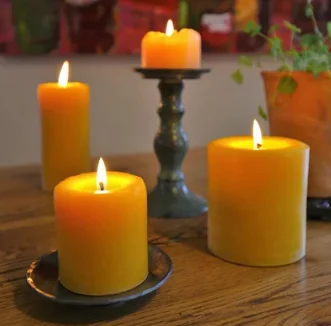
The first critical factor is the selection of the wax medium. Whether using Beeswax Pillar Candles for their natural honey scent and longevity, or Paraffin Tapered Candles for their structural rigidity, the choice of material determines the burn rate and the "scent throw." High-quality handmade candles require a wax that can hold fragrance oils without sweating or separating.
Secondly, the wick is the engine of the candle. A common failure in amateur production is "tunneling," which occurs when the wick is too small for the diameter of the wax. Professional handmade candles utilize cotton or wooden wicks tailored to the specific wax blend, ensuring a full melt pool and maximum fragrance release.
Finally, the curing process is an overlooked but essential component. A candle must "cure"—essentially resting for several days or weeks—to allow the fragrance molecules to bind fully with the wax crystals. This patience ensures that the scent remains potent from the first light until the very end of the candle's life.
Practical Applications and Market Use Cases
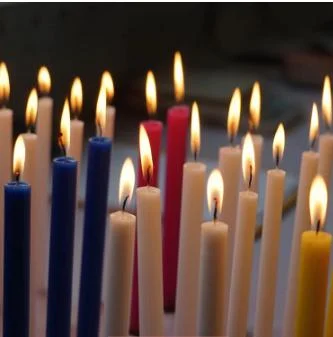
The versatility of handmade candles allows them to penetrate various market segments. In the luxury hospitality sector, Scented Candles and Glass Container Candles are used to create "olfactory branding," where a specific scent becomes synonymous with a hotel's identity. Meanwhile, in religious and ceremonial contexts, White Stick Candles and Tapered Candles remain indispensable for their symbolic purity and steady flame.
Beyond luxury, there is a growing application in wellness and therapeutic settings. Aromatherapy candles, crafted with specific essential oils, are used in spas and mental health clinics to induce relaxation. The intentionality behind a handmade product adds a layer of "emotional value" that mass-produced alternatives cannot replicate, making them ideal for gift markets and boutique retail.
Performance Ratings of Various Handmade Candle Types
Long-term Value and Sustainability Benefits
The long-term value of investing in handmade candles lies primarily in environmental stewardship. By opting for natural waxes like beeswax or soy, consumers reduce their reliance on petroleum-derived paraffin. This results in a significant decrease in soot production and the elimination of volatile organic compounds (VOCs) that can compromise indoor air quality.
Furthermore, the artisanal model supports a circular economy. Many makers use recycled glass for Container Candles or biodegradable tin for Tin Container Candles, reducing the waste footprint. This commitment to sustainability creates a trust-based relationship between the producer and the consumer, where the purchase is seen as a vote for a cleaner, more ethical manufacturing process.
Future Innovations in Candle Materials
The future of handmade candles is being shaped by bio-technology. We are seeing the emergence of algae-based waxes and mushroom-mycelium molds, which offer carbon-negative alternatives to traditional materials. These innovations allow artisans to maintain the "handmade" feel while pushing the boundaries of ecological science.
Digital transformation is also playing a role. Advanced precision heating elements and smart sensors are being integrated into small-scale studios, allowing makers to monitor the exact crystallization point of the wax. This "tech-enabled craft" ensures that handmade products can meet the consistency standards of industrial goods without losing their artisanal soul.
Moreover, the industry is moving toward "functional fragrance." Future handmade candles will likely incorporate time-release encapsulated scents that change as the candle burns, offering a narrative experience rather than a static smell, further elevating the product from a utility to an immersive piece of art.
Common Challenges and Professional Solutions
One of the most persistent challenges in producing handmade candles is "frosting"—the formation of white crystalline structures on the surface of natural waxes. While often seen as a defect, professional makers educate their clients that frosting is actually a sign of a pure, natural wax without synthetic additives. To minimize it, precise cooling temperatures must be maintained.
Another hurdle is the "wet spot," where the wax pulls away from the side of the glass container. This is typically caused by temperature shocks. The professional solution involves pre-heating the glass containers before pouring, ensuring a seamless bond between the wax and the vessel, which enhances the aesthetic appeal and perceived value of the product.
Finally, scent throw—the ability of the candle to fill a room with fragrance—can be inconsistent. This is solved through rigorous "burn testing" and the use of high-flashpoint fragrance oils. By documenting the exact percentage of fragrance load relative to the wax weight, artisans can guarantee a consistent and powerful olfactory experience for every customer.
Comparative Analysis of Candle Material Performance
| Wax Type |
Burn Duration |
Scent Throw |
Eco-Rating |
| Pure Beeswax |
Excellent (Long) |
Mild/Natural |
10/10 |
| Soy Wax Blend |
Good (Medium) |
High |
9/10 |
| Paraffin Wax |
Fair (Short) |
Very High |
4/10 |
| Coconut Wax |
Excellent (Long) |
Medium |
9/10 |
| Palm Wax |
Good (Medium) |
Medium |
6/10 |
| Gel Wax |
Fair (Short) |
Low |
5/10 |
FAQS
Handmade candles are typically superior due to the quality of ingredients and the precision of the process. Artisans often use natural waxes like soy or beeswax and pure essential oils, whereas mass-produced candles frequently contain paraffin and synthetic fragrances. This results in a cleaner burn, less soot, and a more sophisticated scent profile that is safer for the home environment.
Look for slight variations in the wax surface and the presence of natural ingredients in the label. Truly handmade candles often have a "story" regarding their sourcing. Additionally, the scent will usually feel more layered and natural rather than chemically sharp. Checking for certifications or direct contact with the maker can also verify the artisanal nature of the product.
Tunneling occurs when the wax does not melt all the way to the edge of the container. This is usually caused by the wick being too small for the diameter of the candle or by not letting the candle burn long enough during the first use. To prevent this, always burn your candle until the entire top surface is liquid wax, creating a "memory" for the candle to burn evenly next time.
Generally, yes. Pure beeswax candles are hypoallergenic and naturally clean-burning. Unlike scented paraffin candles, which can release phthalates and other allergens into the air, pure beeswax emits a very mild, natural honey scent and may even release negative ions that help purify the air by attracting dust and pollutants.
Lifespan depends on the wax type and size. Beeswax candles typically last the longest because they have a higher melting point and burn more slowly. On average, a well-crafted pillar candle can last 50-100 hours, while a standard 8oz jar candle should provide 30-50 hours of burn time, provided the wick is trimmed correctly to 1/4 inch.
Absolutely. Many artisanal studios offer wholesale or bulk pricing for weddings, corporate gifts, or retail boutiques. Ordering in bulk often allows for customization of scents and packaging, making handmade candles a sophisticated and sustainable choice for large-scale gifting that supports independent craftsmanship.
Conclusion
The enduring appeal of handmade candles lies in their ability to transform a simple room into a sanctuary. By blending the science of chemistry with the intuition of art, these products offer a sustainable, healthy, and aesthetically pleasing alternative to industrial lighting. From the selection of biodegradable waxes to the precision of the cure, every step in the artisanal process adds a layer of value that transcends the physical product.
As we move toward a future defined by environmental consciousness, the role of the artisan will only become more vital. We encourage consumers to prioritize purity, support local makers, and embrace the slow, intentional process of handmade creation. To explore our full range of artisan-crafted light and fragrance, visit our website: www.seawellcandle.com