The atmospheric appeal of jar candles has transformed them from simple lighting utilities into essential elements of modern interior design and wellness routines. By encapsulating fragrance and flame within a protective vessel, these products offer a blend of safety, longevity, and aesthetic versatility that open-air candles simply cannot match.
Across the globe, the demand for high-quality containerized wax products is surging, driven by a consumer shift toward "home sanctuary" concepts. Whether used for aromatherapy, religious ceremonies, or as luxury gifts, the structural integrity of the jar ensures a consistent burn rate and prevents wax spillage, making them a preferred choice for both residential and commercial hospitality settings.
Understanding the nuances of jar candles involves exploring the synergy between wax chemistry, wick capillary action, and glass thermal resistance. For manufacturers and connoisseurs alike, mastering these elements is the key to creating a product that not only smells divine but also adheres to the highest safety and environmental standards.

The Global Evolution of Jar Candles
Historically, candles were purely functional tools for illumination. However, the transition to jar candles marked a pivotal shift toward lifestyle integration. By enclosing the wax, manufacturers were able to experiment with softer waxes and higher fragrance loads that would otherwise cause a pillar candle to collapse or lose its shape.
Today, the global market reflects a sophisticated blend of art and science. From the minimalist glass jars popular in Nordic design to the ornate ceramic containers found in East Asian markets, the "jar" has become a canvas for branding and an engineering solution for controlled combustion, ensuring that the flame remains stable even in drafty environments.
Technical Specifications and Wax Compatibility
The success of jar candles depends heavily on the choice of wax. Paraffin remains a staple for its excellent scent throw, but the industry is seeing a massive pivot toward soy, beeswax, and coconut blends. Each wax type has a different melting point and shrinkage rate, which determines how the wax adheres to the walls of the glass container.
Wick selection is equally critical. In a jar, the "heat pool" is concentrated. If the wick is too small, "tunneling" occurs, where the candle burns down the center and leaves a ring of unused wax. Conversely, an oversized wick can cause the glass to overheat, potentially leading to thermal shock and cracking, which is a significant safety concern in industrial production.
Furthermore, the interaction between the fragrance oil and the wax matrix must be carefully calibrated. High concentrations of essential oils can lower the flash point of the wax, necessitating a specialized blend to ensure that the jar candles maintain a steady flame without flickering or producing excessive soot.
The Role of Containment in Scent Throw
Scent throw is categorized into "cold throw"—the smell of the candle when unlit—and "hot throw"—the fragrance released during combustion. In jar candles, the container acts as a reservoir that concentrates the fragrance oils, preventing them from evaporating too quickly before the candle is even lit.
The glass walls of jar candles serve a dual purpose: they protect the flame from external drafts and help radiate heat back into the wax pool. This increased heat allows more fragrance molecules to volatilize and travel further into the room, enhancing the olfactory experience for the user.
When designing these products, the ratio of the jar diameter to the wick size is the most influential factor. A wider jar requires a multi-wick system to ensure the entire surface of the wax melts, which maximizes the surface area for scent release and ensures a clean, efficient burn from the top to the bottom.
Performance Metrics for Container Wax
Evaluating the quality of jar candles requires a quantitative approach to burn testing. Professionals measure the "burn rate" (grams of wax consumed per hour) and the "melt pool depth" to ensure the product is optimized for longevity. A well-engineered candle provides a consistent experience regardless of the ambient temperature.
Comparative analysis between different wax blends shows that natural waxes often provide a slower burn, increasing the overall lifespan of the product, while paraffin-based options offer a more intense fragrance delivery. These metrics are vital for B2B clients who require consistent specifications for retail distribution.
Performance Comparison of Jar Candles Materials
Sustainable Materials and Eco-Friendly Glass
The shift toward sustainability is reshaping the production of jar candles. Manufacturers are increasingly adopting recycled glass and biodegradable wax sources to reduce their carbon footprint. The focus has moved from "disposable" luxury to "reusable" utility, where the jar is designed to be repurposed as a storage container after the wax is gone.
Moreover, the elimination of phthalates and parabens from fragrance oils is no longer an option but a requirement for the modern conscious consumer. By integrating organic certifications and transparent sourcing, brands can build long-term trust and loyalty, positioning their jar candles as healthy additions to the home environment.
Industrial Applications and B2B Distribution
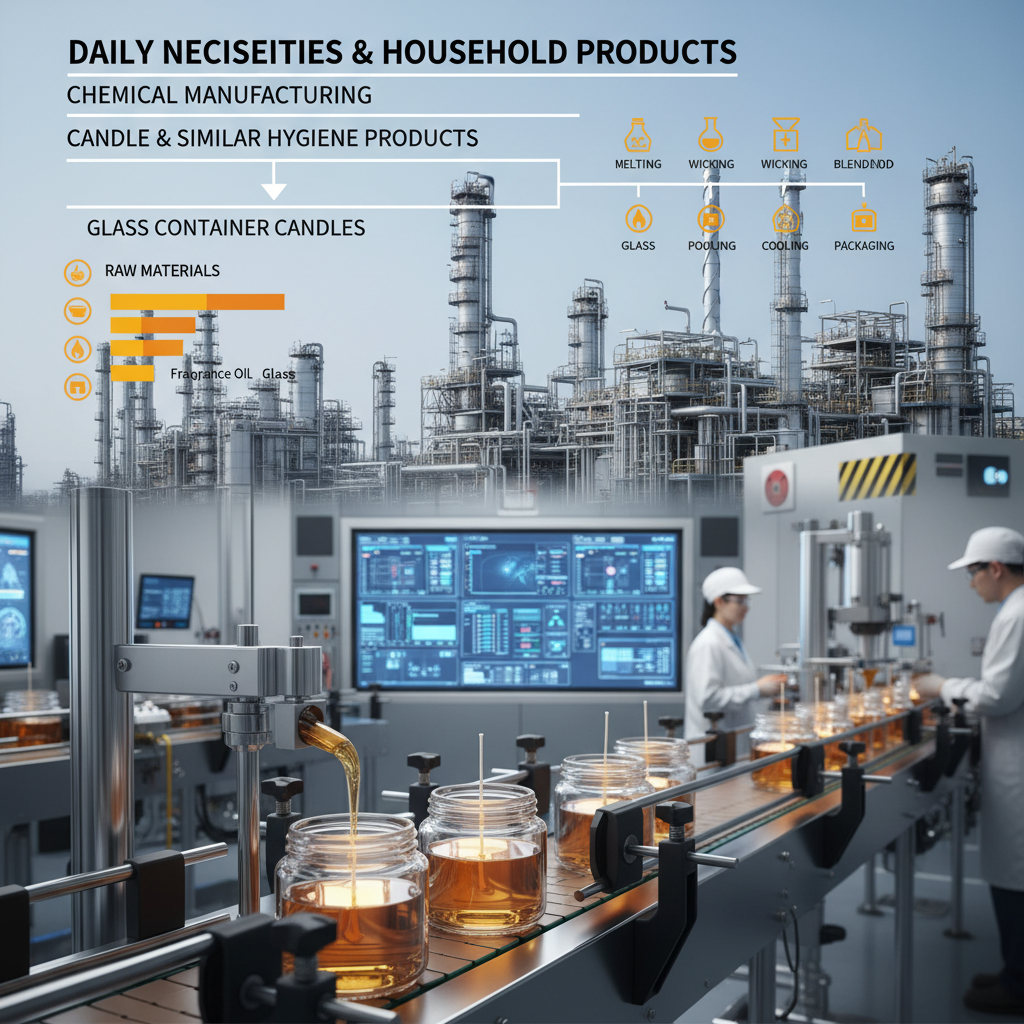
In the B2B sector, jar candles are high-volume commodities that require strict logistical planning. From hospitality chains that need consistent scent-branding across multiple hotels to corporate gifting firms, the demand is for scalability and uniformity. This requires automated pouring lines and precision cooling tunnels to prevent "wet spots" (air gaps between the wax and glass).
Packaging for global shipping also presents a challenge. Because glass is fragile, the integration of custom-molded pulp inserts and reinforced corrugated boxes is essential to prevent breakage during transit. Efficient palletization and moisture-controlled warehousing ensure that the fragrance remains potent and the wax remains pristine from the factory to the end consumer.
Strategic partnerships with fragrance houses allow manufacturers to offer "private label" services, enabling retail brands to launch their own lines of jar candles without investing in their own chemical laboratories. This model has democratized the market, allowing small boutiques to compete with global luxury houses.
Quality Control and Safety Standards
Safety is the paramount concern in the manufacture of jar candles. Every batch must undergo rigorous stress testing to ensure that the glass can withstand the maximum temperature of the wax pool. Compliance with international standards such as ASTM (American Society for Testing and Materials) ensures that labels include necessary warnings and that the product does not pose a fire hazard.
Quality control also extends to the visual inspection of the "finish." A premium candle should have a smooth top surface without frosting or craters. This is achieved through precise temperature control during the cooling phase, often utilizing "heat guns" or secondary pours to fix imperfections in the surface of the jar candles.
Finally, the longevity of the fragrance is tested through accelerated aging tests. By exposing candles to various temperature extremes, engineers can predict how the scent will evolve over a 12-to-24 month shelf life, ensuring that the customer receives a product that smells as fresh as the day it was poured.
Comparative Analysis of Jar Candle Quality Standards
| Testing Dimension |
Standard Grade |
Premium Grade |
Luxury Grade |
| Scent Throw Strength |
Moderate |
Strong |
Exceptional |
| Burn Cleanliness |
Occasional Soot |
Clean Burn |
Zero Residue |
| Glass Durability |
Standard Soda-Lime |
Heat-Treated |
Borosilicate/Crystal |
| Wax Adhesion |
Moderate (Some Gaps) |
High Adhesion |
Seamless Bond |
| Burn Duration |
20-30 Hours |
40-60 Hours |
80+ Hours |
| Fragrance Purity |
Synthetic Base |
Hybrid Blend |
100% Pure Essential |
FAQS
The "best" wax depends on your goals. Soy wax is preferred for eco-friendliness and a slower burn. Paraffin is unmatched for strong scent throw. Coconut wax is increasingly popular for its creamy appearance and excellent fragrance binding. Many professional manufacturers use a proprietary blend to combine the scent strength of paraffin with the clean burn of soy.
Tunneling happens when the wax doesn't melt all the way to the edges of the jar. This is usually caused by using a wick that is too small for the jar's diameter or by not letting the candle burn long enough during the first use to establish a full "memory pool." Always burn your candle until the surface is completely liquid.
Generally, yes. The jar acts as a physical barrier that prevents the wax from dripping onto furniture and protects the flame from sudden drafts that could cause erratic burning. However, safety still depends on the quality of the glass; heat-resistant glass is essential to prevent cracking under high temperatures.
To maximize scent, keep the wick trimmed to 1/4 inch to ensure a steady flame and prevent soot from masking the fragrance. Additionally, storing your candles in a cool, dark place with a lid on prevents the fragrance oils from evaporating, ensuring a powerful "cold throw" and "hot throw" when lit.
Absolutely. Once the wax is nearly gone, you can freeze the jar to make the remaining wax pop out easily, or use the boiling water method to melt the residue. After cleaning with soap and water, these jars are excellent for storing spices, makeup brushes, or small office supplies, aligning with sustainable consumption practices.
For small spaces like bathrooms, a 4-8oz jar is sufficient. For medium rooms like bedrooms, a 12-16oz jar provides a better scent distribution. For large living areas, consider larger 20oz+ jars or multiple smaller candles placed strategically to create an even "fragrance blanket" across the space.
Conclusion
In summary, jar candles represent a sophisticated intersection of chemical engineering and interior aesthetics. By optimizing the relationship between wax type, wick size, and container thermal properties, manufacturers can create products that offer safety, sustainability, and an unparalleled sensory experience. From the technical demands of B2B distribution to the emotional appeal of a scented home, the container candle remains a cornerstone of the global fragrance industry.
As we look toward the future, the integration of bio-based waxes and carbon-neutral glass production will likely define the next generation of the industry. For those seeking to enhance their environment or scale a business, investing in high-quality, rigorously tested container candles is the surest path to success. Explore our professional range of solutions and elevate your ambiance today. Visit our website: www.seawellcandle.com