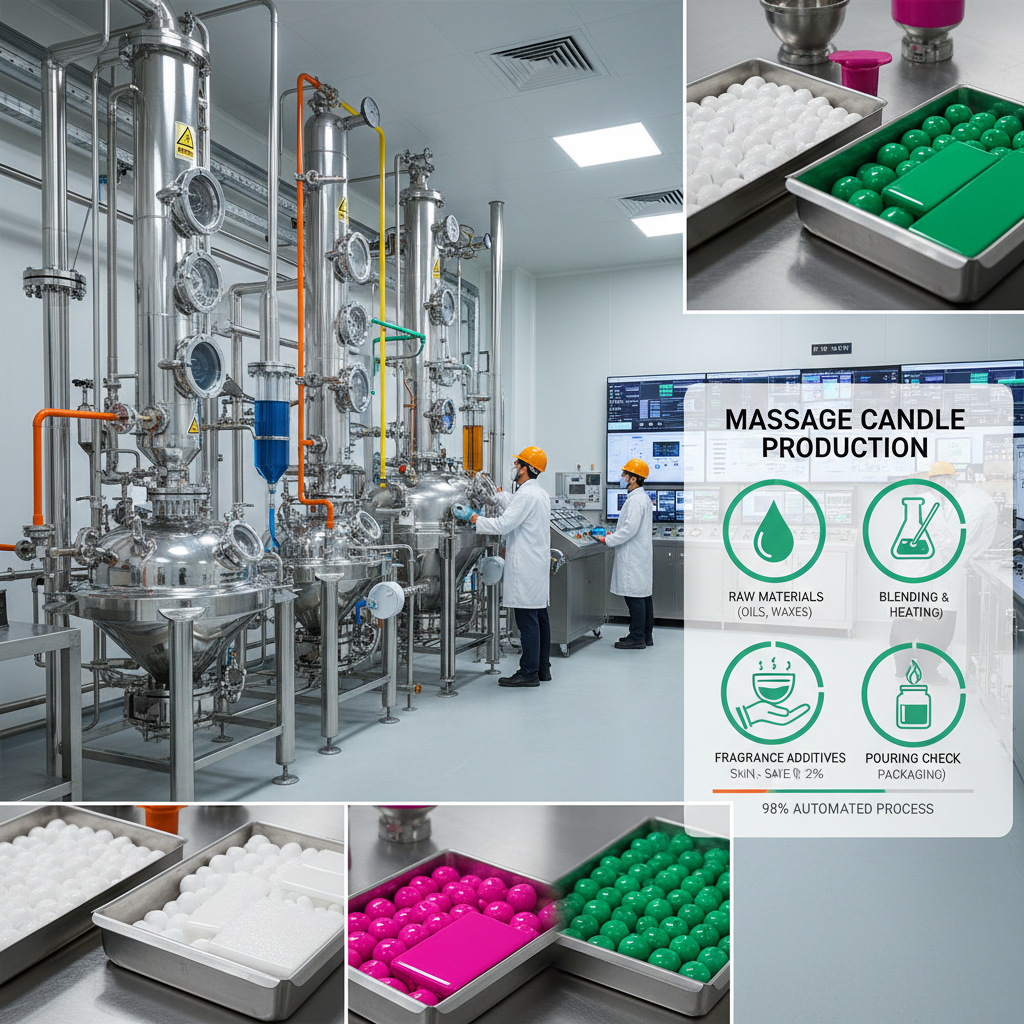
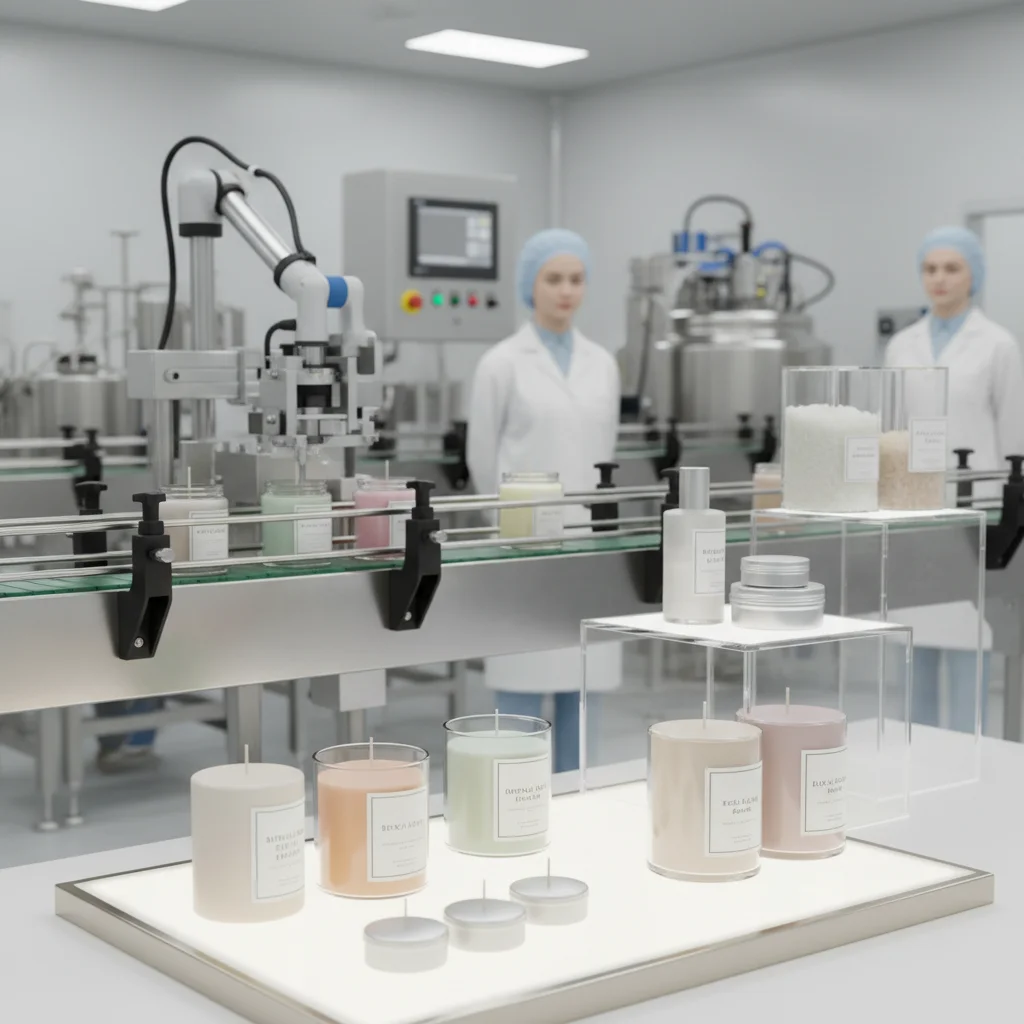
The concept of a massage candle represents a sophisticated fusion of aromatherapy and skincare, transforming a traditional home fragrance item into a functional wellness tool. Unlike standard decorative candles, these specialized products are engineered with low-melting-point waxes and nutrient-rich oils that allow the melted pool to be used as a warm massage oil directly on the skin.
In an era where stress management and self-care have become global priorities, the rise of the massage candle addresses the growing demand for holistic sensory experiences. By combining the visual warmth of a flame, the psychological benefits of scent, and the physical relief of a warm massage, these candles provide a multi-layered approach to relaxation that transcends simple ambiance.
Understanding the chemistry and application of these products is essential for both consumers and manufacturers. From the selection of soy-based waxes to the integration of therapeutic-grade essential oils, the precision involved in creating a safe, skin-compatible massage candle ensures that the end-user experiences maximum comfort without the risk of burns or skin irritation.
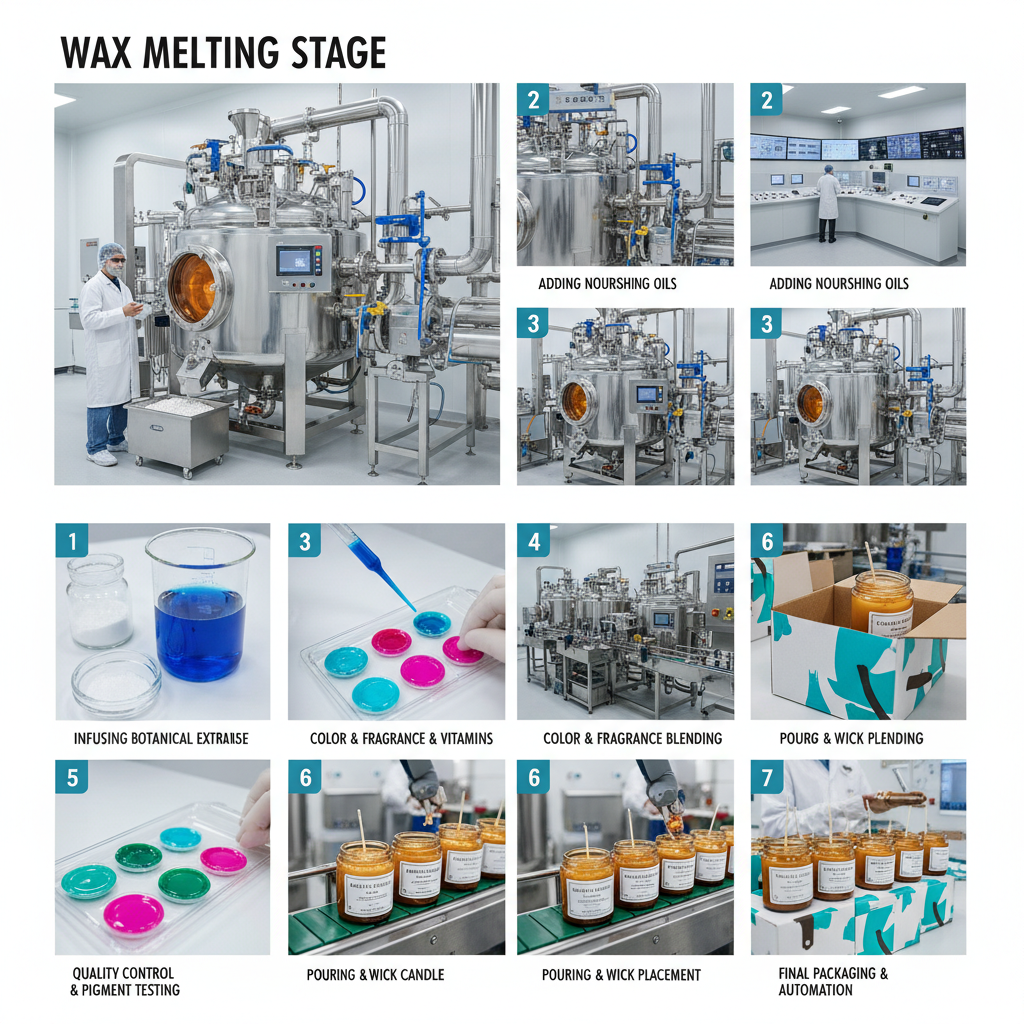
Global Market Dynamics of Massage Candles
The global wellness economy has seen a significant shift toward "home-spa" rituals, pushing the massage candle from a niche luxury item to a mainstream wellness staple. According to industry trends aligned with ISO standards for cosmetic safety, there is an increasing preference for paraffin-free alternatives, driving the growth of soy and beeswax-based formulations that offer better sustainability and skin absorption.
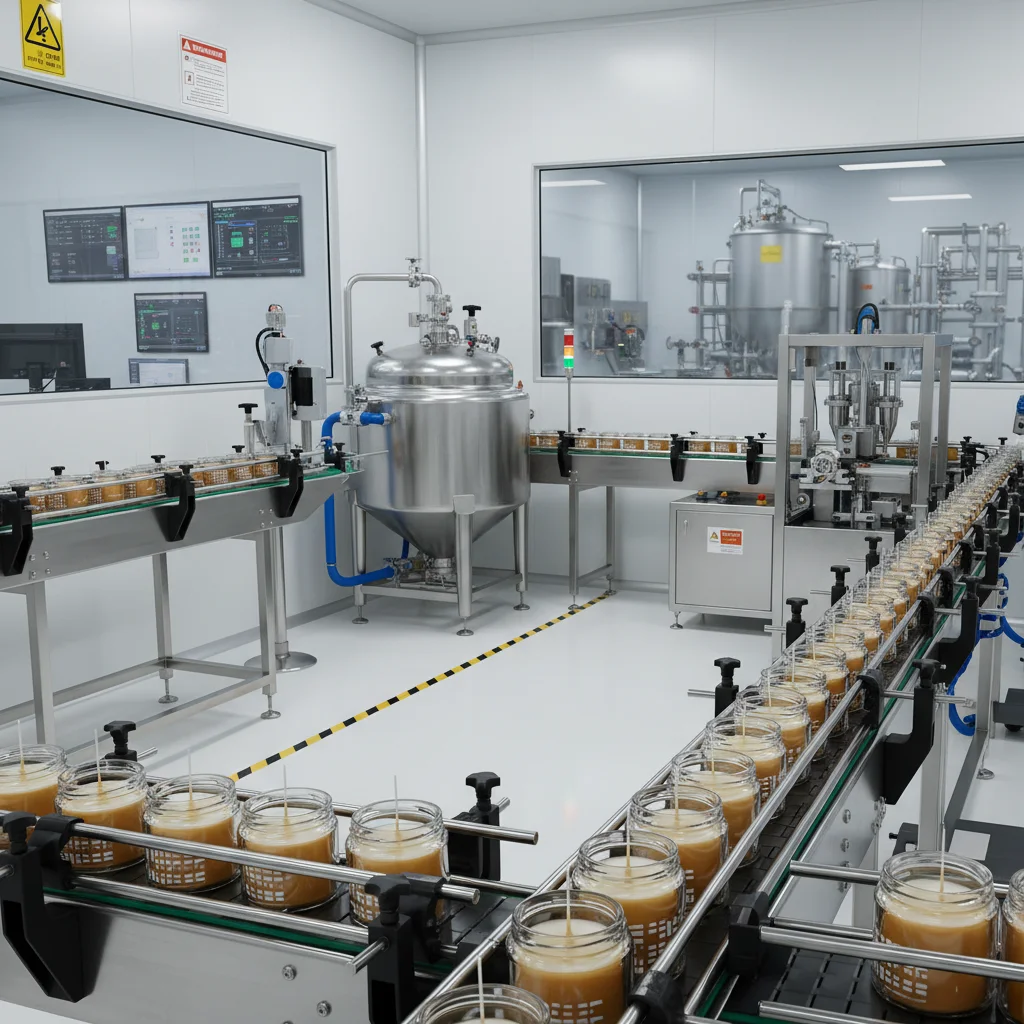
This surge is particularly evident in North American and European markets, where the integration of aromatherapy into daily routines has accelerated. The primary challenge manufacturers face is balancing the structural integrity of the candle—ensuring it doesn't collapse—with a low enough melting point to remain safe for dermal application, necessitating advanced chemical engineering in wax blending.
Defining the Anatomy of a Massage Candle
At its core, a massage candle is a specialized cosmetic product designed to be lit, melted, and then poured onto the skin as a warm, nourishing oil. Unlike traditional pillar candles that use high-melting-point paraffin, these candles utilize a blend of soft waxes and carrier oils—such as shea butter, cocoa butter, and sweet almond oil—to ensure the liquid remains at a soothing temperature.
From a technical standpoint, the chemistry revolves around the "melting curve." The goal is to create a substance that transitions from a solid to a liquid state at approximately 38°C to 45°C (100°F to 113°F). This specific temperature range is critical because it provides the therapeutic sensation of heat without causing thermal injury to the skin's epidermal layer.
This innovation addresses a critical gap in the massage industry: the need for a medium that stays warm throughout a session. Traditional oils cool down rapidly upon contact with the body, whereas the latent heat stored in the melted wax of a massage candle provides a prolonged warming effect, enhancing blood flow and muscle relaxation.
Essential Components for Skin Compatibility
The efficacy of a massage candle depends heavily on its base composition. High-quality versions typically employ a synergy of vegetable-based waxes and emollients. For instance, soy wax provides a clean burn and a smooth texture, while cocoa butter adds a rich, creamy consistency that improves the glide of the massage.
Crucially, the addition of Vitamin E and other antioxidants within the massage candle formula prevents the oils from oxidizing over time. This ensures that the product remains stable on the shelf and continues to provide skin-healing properties, such as moisturizing and soothing inflammation, when applied to the body.
Furthermore, the choice of fragrance is paramount. Therapeutic-grade essential oils are preferred over synthetic perfumes to maintain the "wellness" integrity of the product. Lavender, sandalwood, and ylang-ylang are common inclusions, designed to interact with the limbic system to reduce cortisol levels while the warm oil works on the physical musculature.
Performance Metrics and Melt-Point Analysis
To ensure commercial viability, a massage candle must pass rigorous testing regarding its "skin-safe" temperature. Engineers analyze the heat retention of the wax pool to ensure that the temperature drops quickly enough upon pouring to prevent burns, but slowly enough to provide a warm sensation.
Another key metric is the "absorption rate." A product that is too oily leaves a greasy residue, while one that is too waxy can feel heavy. The perfect balance involves a calculated ratio of hard waxes to liquid oils, ensuring the massage candle absorbs into the skin, leaving it hydrated and soft.
Comparison of Massage Candle Base Efficiency
Diverse Applications in Global Wellness
The application of the massage candle extends far beyond the home. Professional massage therapists and luxury spas worldwide have integrated these candles into their service menus to offer a "signature" experience. In high-end resorts in Bali or the Maldives, the use of localized botanical oils within the candle wax allows therapists to provide a culturally authentic and sensory-rich treatment.
Additionally, the massage candle is increasingly used in clinical settings for palliative care and stress reduction. The combination of gentle warmth and soothing scent helps in managing anxiety and promoting sleep in patients who may be resistant to traditional clinical oils but find the ritual of a candle comforting.
Long-Term Value and Therapeutic Benefits
Investing in a high-quality massage candle provides long-term value by simplifying the self-care process. Instead of managing multiple bottles of oils and separate heaters, the user has a single, aesthetically pleasing product that performs three functions: providing light, disseminating fragrance, and delivering warm skin nourishment.
From a psychological perspective, the ritual of lighting a candle signals the brain to transition from a state of "work" to a state of "rest." This mental trigger, combined with the oxytocin release stimulated by warm touch and massage, makes the massage candle a powerful tool for emotional regulation and intimacy building in relationships.
Moreover, the sustainability of modern massage candle production—utilizing biodegradable waxes and recyclable glass or tin containers—aligns with the global movement toward eco-conscious luxury. This ensures that the pursuit of personal wellness does not come at the expense of environmental health.
Future Innovations in Massage Candle Technology
The future of the massage candle is leaning toward "smart" formulations and hyper-personalization. We are seeing the emergence of candles with time-release fragrance capsules that change scent as the candle burns, guiding the user through different stages of relaxation—from an energizing citrus start to a calming sandalwood finish.
Technological advancements in wax crystallization are also allowing for candles that maintain a perfectly flat melt pool, reducing waste and ensuring a more consistent pour. Integration with organic certification standards (such as COSMOS or USDA Organic) is becoming the benchmark for premium brands, ensuring every ingredient in the massage candle is traceable and ethically sourced.
Furthermore, the industry is exploring the use of "adaptogenic" additives—ingredients like Ashwagandha or Reishi mushroom extracts—infused into the wax. These components are designed to be absorbed through the skin, potentially enhancing the physiological benefits of the massage and positioning the massage candle as a functional skincare device.
Analysis of Massage Candle Material and Performance Specifications
| Wax Base Type |
Melting Point (°C) |
Skin Absorption |
Scent Throw |
| Pure Soy Blend |
42°C - 48°C |
High |
Moderate |
| Beeswax-Shea Mix |
45°C - 52°C |
Medium |
Strong |
| Coconut-Olive Base |
38°C - 42°C |
Very High |
Light |
| Cocoa Butter Blend |
40°C - 46°C |
High |
Rich |
| Paraffin-Soy Hybrid |
50°C - 60°C |
Low |
Very Strong |
| Apricot Kernel Blend |
39°C - 44°C |
High |
Moderate |
FAQS
Generally, yes, provided the candle is made from natural waxes and skin-safe oils. However, users with specific nut allergies should check for almond or coconut oil in the ingredients. We always recommend a small patch test on the inner wrist to ensure no adverse reaction occurs before applying the melted wax to larger areas of the body.
A professional-grade massage candle is formulated with a low melting point, typically between 38°C and 45°C. This is designed to feel warm and soothing, not scalding. However, it is always prudent to test a small drop of the oil on your wrist before pouring it directly onto another person's skin to verify the temperature.
You should let the candle burn until a sufficient pool of liquid wax has formed, usually about 15 to 30 minutes depending on the size of the candle. Once there is a deep enough pool to pour or scoop from, the oil is ready for application. Ensure the wick is extinguished or the oil is poured carefully to avoid contact with the flame.
Absolutely not. Standard candles are made from high-melting-point paraffin or beeswax that can reach temperatures high enough to cause severe burns. Furthermore, regular candles contain synthetic fragrances and dyes that are not skin-safe and can cause irritation or allergic reactions. Only use products explicitly labeled as "massage candles."
High-quality massage candles are formulated with a balance of waxes and carrier oils that are designed to be absorbed by the skin. While they provide a glide for the massage, they should leave the skin feeling hydrated and soft rather than excessively oily. The absorption rate depends largely on the base oil used (e.g., jojoba vs. coconut).
Store your candle in a cool, dry place away from direct sunlight. Because these candles contain natural butters and oils, extreme heat can cause the wax to soften or "sweat," while sunlight can degrade the essential oils. Keeping the lid closed when not in use prevents dust from entering the wax pool and preserves the fragrance potency.
Conclusion
The massage candle is more than just a luxury accessory; it is a carefully engineered wellness product that bridges the gap between atmospheric ambiance and physical therapy. By integrating low-temperature melting points with nutrient-dense botanical oils, these candles offer a unique, multi-sensory experience that promotes deep relaxation, skin hydration, and mental clarity. From the rigorous selection of soy-based waxes to the strategic use of aromatherapy, every element is designed to elevate the standard of home and professional care.
As the global trend toward holistic health continues to grow, the innovation in massage candle technology will likely move toward even more sustainable, organic, and functional formulations. For those seeking to enhance their self-care routine or professional service offerings, adopting these sophisticated tools can significantly improve the quality of the relaxation experience. We invite you to explore the intersection of light, scent, and touch. Visit our website: www.seawellcandle.com